Thanksgiving refrigerator prep helps Houston homeowners avoid warm groceries, spoiled ingredients, crowded shelves, and last-minute appliance trouble. Before buying a turkey, preparing side dishes, or storing leftovers, check whether your refrigerator can keep food safely cold through a busy holiday week.
This practical guide covers temperature checks, safe storage, airflow, door seals, common cooling warning signs, and when to call for refrigerator repair. It focuses on safe homeowner maintenance rather than risky do-it-yourself electrical or refrigerant work.
Why Thanksgiving Refrigerator Prep Matters in Houston
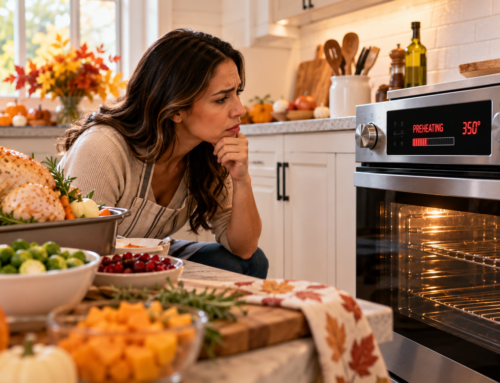
Thanksgiving refrigerator prep is especially important when the fridge is packed with ingredients, drinks, and leftovers. A refrigerator that seems fine on a normal weekday may struggle when warm groceries are added all at once, the door is opened frequently, and shelves are crowded. In Houston, warm weather can also add to the workload, especially if the kitchen is busy with cooking. Preparing early gives you time to notice problems before food safety and holiday plans are affected. For a broader holiday checklist, read our Thanksgiving kitchen preparation tips.
1. Check Refrigerator and Freezer Temperatures Before Shopping
Place an appliance thermometer in the refrigerator and another in the freezer, then allow them time to stabilize. The FDA recommends keeping the refrigerator at 40°F (4°C) or below and the freezer at 0°F (-18°C). Do not rely solely on the number shown on the control panel: that setting may not reflect the actual temperature throughout the compartment. Check the reading again after a normal day of use. If the refrigerator cannot maintain a safe temperature, address the problem before buying perishable holiday groceries. A warm refrigerator can have several causes, so see our guide to common refrigerator repair problems for additional symptoms.
2. Make Room Without Blocking Airflow
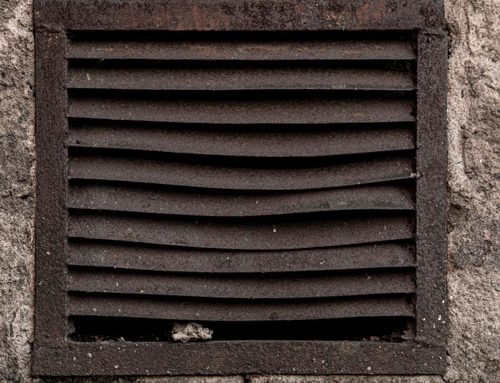
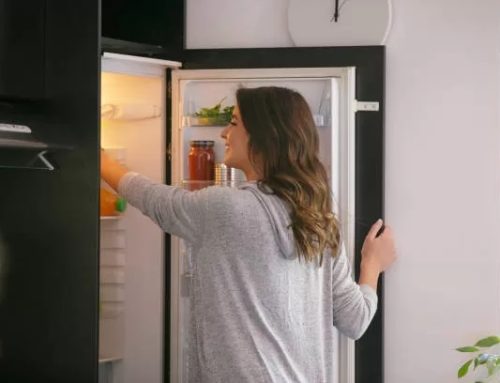
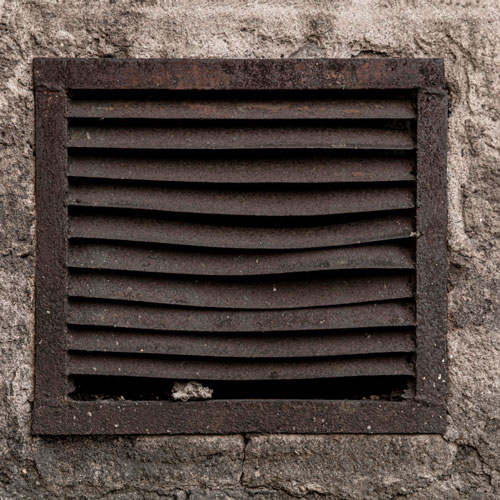
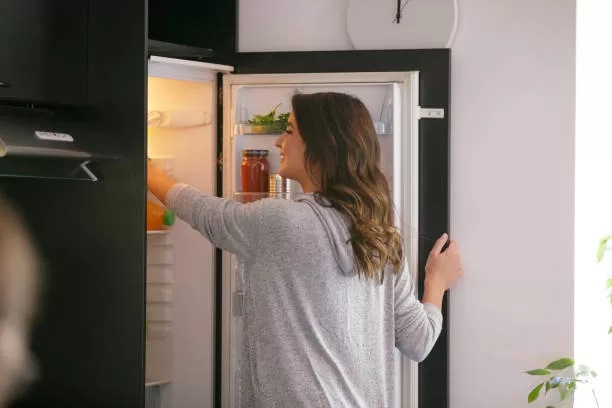
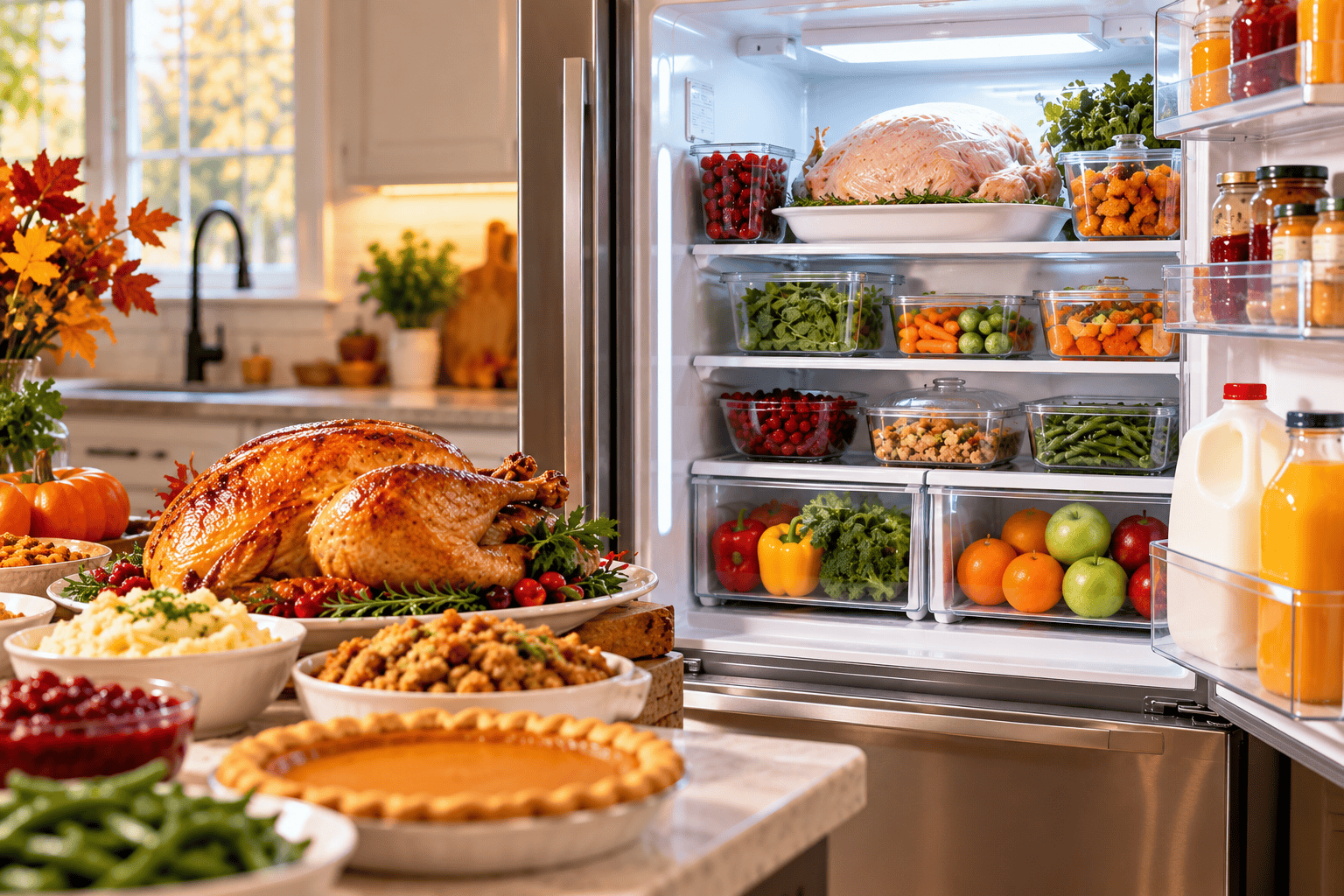
Before Thanksgiving shopping, remove expired food, wipe spills, and reorganize shelves. Leave space around air vents and avoid pressing large trays or containers against the back wall if your owner’s manual warns against it. Cold air needs to circulate to keep temperatures consistent. Keep raw turkey or other meat on a tray on a low shelf so drips cannot contaminate ready-to-eat foods. A crowded refrigerator is not automatically unsafe, but restricted airflow and repeated door opening can make temperature control harder. If your refrigerator freezes produce or food near a vent, our article about refrigerator freezing food explains possible causes.
3. Inspect Door Gaskets and Close the Door Fully
Check the refrigerator and freezer door seals for food residue, tears, or sections that do not contact the cabinet evenly. Clean the gasket gently according to the manufacturer’s directions and make sure containers are not keeping the door slightly open. A loose seal lets warm, humid air enter, increasing frost, condensation, and compressor runtime. Look for recurring moisture around the door or food that feels warmer than usual. If the door is difficult to close or the gasket is damaged, avoid improvising a repair that could make the seal worse. Regular maintenance can prevent small problems from becoming larger ones; see our appliance maintenance guide.
4. Clean Accessible Condenser Areas Safely
Dust and pet hair around the condenser area can reduce cooling efficiency on some refrigerator designs. Check your model’s manual to determine whether and how to clean accessible condenser coils or vents. Disconnect power before cleaning where the manufacturer instructs, use a suitable brush or vacuum attachment, and do not bend tubing or remove sealed-system components. Some modern refrigerators have condensers that are not user-serviceable. Never assume every model has exposed coils in the same location. If cooling is still weak after ordinary maintenance, the problem may involve the fan, thermostat, sensors, compressor, or another part that needs professional testing. Our article on why refrigerators struggle in summer and winter covers seasonal performance concerns.
5. Plan Turkey Thawing and Food Storage in Advance
A frozen turkey needs substantial refrigerator space and time to thaw safely. USDA guidance is to allow about 24 hours of refrigerator thawing for every 4 to 5 pounds of turkey, with the refrigerator maintained at 40°F or below. Keep the bird wrapped on a tray to contain juices. If you use cold-water thawing, follow USDA instructions for changing the water and cooking promptly; do not thaw a turkey on the countertop. Prepare labeled containers for leftovers before guests arrive. Divide large quantities into shallow containers so they cool quickly and refrigerate perishable food within two hours of preparation or serving. For food safety, the refrigerator should not become an afterthought once the meal is over.
6. Avoid Adding Too Much Warm Food at Once
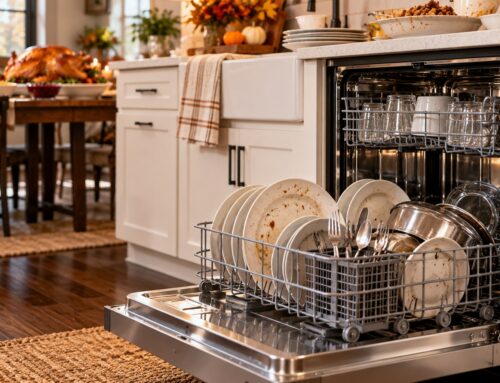
After Thanksgiving dinner, a large pot or deep casserole dish can take too long to cool. Portion food into shallow containers rather than putting one oversized hot container into a crowded refrigerator. The goal is to cool leftovers promptly while keeping the appliance from being overloaded with tightly packed dishes. Leave enough space for cold air to circulate and avoid leaving perishable foods out while you clean the kitchen. If the refrigerator temperature rises and stays high after normal use, that is different from a brief change when the door is open. Check with a thermometer and investigate persistent cooling problems.
7. Recognize Warning Signs Before Guests Arrive
Unusual clicking, repeated alarms, new grinding noises, excessive frost, puddles, condensation, or a refrigerator that runs continuously without cooling properly can indicate trouble. An appliance may also appear cold while one compartment is too warm. Note whether the freezer is maintaining temperature, whether fans can be heard, and whether the doors are sealing correctly. Do not disassemble electrical or refrigerant components. For common cooling symptoms, read our refrigerator troubleshooting guide. If the refrigerator is warm but the freezer seems cold, this warm-fridge, cold-freezer explanation provides useful context.
8. Prepare for a Houston Power Outage
Storms and outages can happen even when holiday plans are underway. Keep the refrigerator and freezer doors closed during a power failure. According to USDA guidance, an unopened refrigerator generally keeps food safe for about four hours, while a full freezer can maintain temperature for about 48 hours (or about 24 hours if half full), provided the door stays closed. These are general estimates, not guarantees; use a thermometer and official food-safety guidance to decide what to keep. Never taste food to determine whether it is safe. For more preparation steps, see how to protect refrigerators and appliances during a Houston power outage.
Thanksgiving Refrigerator Prep Checklist
- Confirm refrigerator temperature is 40°F or below and freezer temperature is 0°F.
- Remove expired food and make room for ingredients and leftovers.
- Keep shelves and air vents clear enough for airflow.
- Check door seals, hinges, and closing clearance.
- Clean accessible condenser areas only as directed by the owner’s manual.
- Plan safe turkey thawing and reserve a low shelf for raw meat.
- Prepare shallow, covered containers for leftovers.
- Run a temperature check several days before Thanksgiving.
- Know what to do if the power goes out or cooling fails.
When to Schedule Refrigerator Repair in Houston
If temperatures remain above safe limits, the refrigerator stops cooling, an alarm persists, or you see evidence of an electrical problem, do not wait until Thanksgiving dinner to investigate. Move perishable food to a working refrigerator or a properly maintained cooler when necessary, and follow food-safety guidance for any food exposed to unsafe temperatures. Professional diagnosis may be needed for fans, controls, defrost systems, electrical components, or sealed-system faults. Appliance Cowboys provides refrigerator and other major-appliance repair services in the Houston area. If you are deciding whether repair makes sense, review when to repair or replace an appliance before making a decision.
Frequently Asked Questions About Thanksgiving Refrigerator Prep
How cold should my refrigerator be for Thanksgiving?
Keep the refrigerator at 40°F (4°C) or below and the freezer at 0°F (-18°C). Use an appliance thermometer to verify the actual temperature.
How early should I prepare my refrigerator for Thanksgiving?
Start several days before shopping and cooking. That gives you time to check temperatures, clear space, and arrange service if cooling is unreliable.
Can I thaw a turkey on the kitchen counter?
No. Use a USDA-recommended method such as refrigerator thawing, allowing about one day for every 4 to 5 pounds.
How long can Thanksgiving leftovers stay out?
Refrigerate perishable leftovers within two hours. Use shallow containers to help them cool promptly.
What should I do if my refrigerator stops cooling before Thanksgiving?
Check the temperature with a thermometer, minimize door openings, move food to safe cold storage when needed, and arrange qualified diagnosis if basic owner-manual checks do not resolve the issue.
For authoritative food-storage guidance, consult the FDA food storage recommendations and USDA turkey thawing guidance. Address cooling problems early so your holiday can focus on family and food, not emergency refrigerator troubleshooting.