Food freezing in the refrigerator compartment is a sign that cold air is not being controlled or distributed properly. Lettuce may become icy, milk may partially freeze, and produce can be damaged even though the freezer appears to be working normally.
This guide explains the most common reasons a refrigerator freezes food, the safe checks you can make, and when professional refrigerator repair may be needed.
Check the Temperature Setting First
The refrigerator section is generally intended to stay cold without reaching freezing temperatures. If the temperature control has been set too low, food near vents or the back wall may freeze.
Adjust the setting gradually rather than making a large change. Give the refrigerator enough time to stabilize before judging the result. Refer to the manufacturer’s recommended temperature range for your model.
Food Placement Can Matter
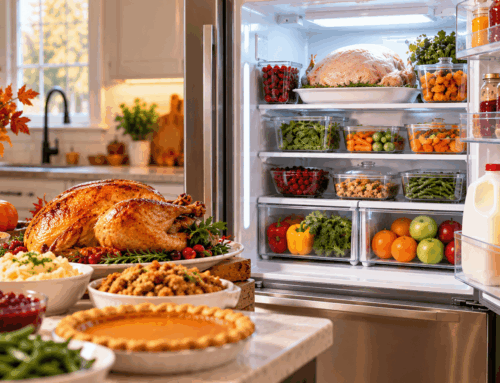
Cold air often enters the fresh-food compartment through vents near the back or upper portion of the refrigerator. Items placed directly in front of those vents can become much colder than food stored elsewhere.
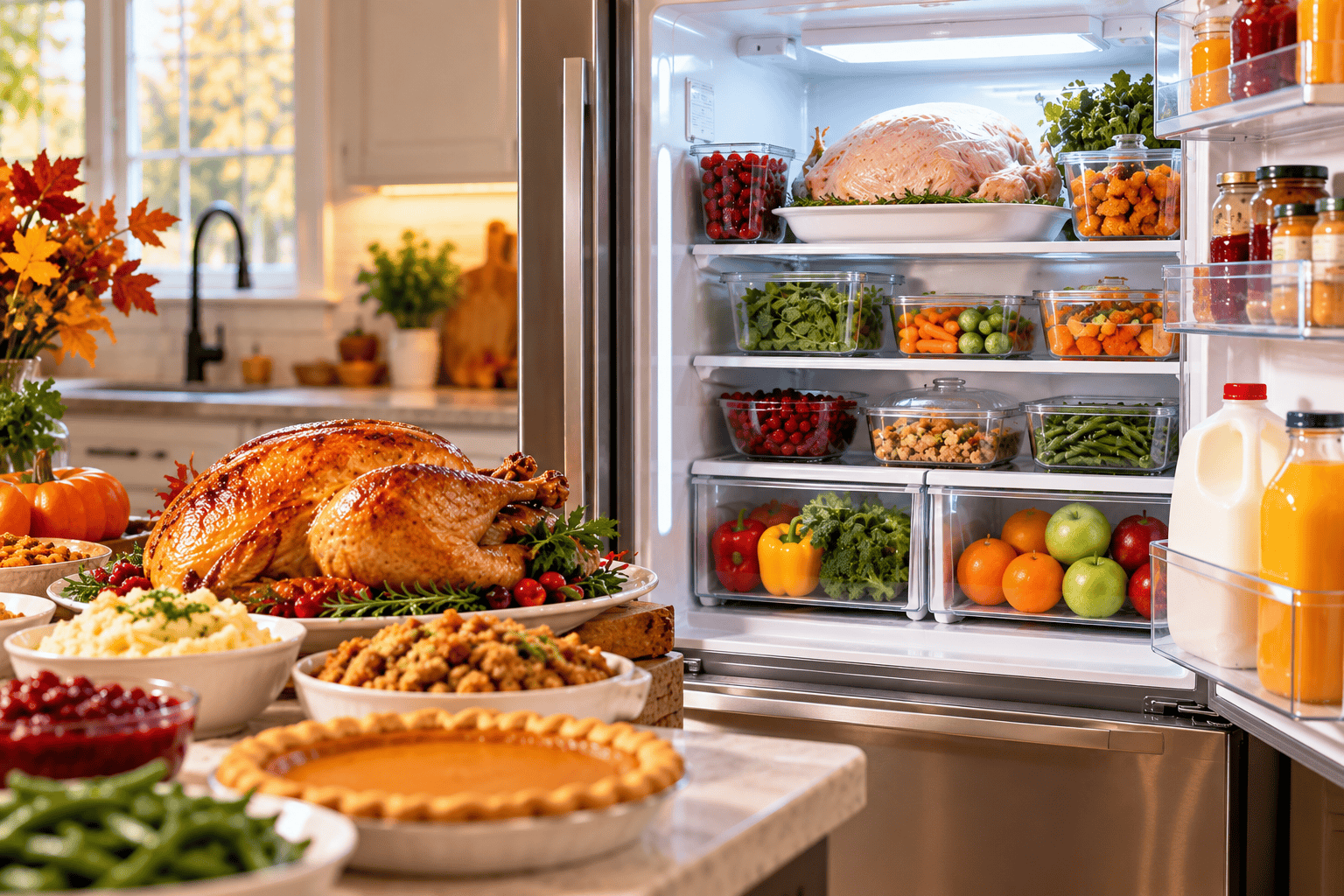
Avoid packing food tightly against air outlets or the back wall. Leave room for air to circulate between shelves and containers.
If only food in one specific area freezes, airflow and placement may be the main issue.
Blocked Airflow
A refrigerator depends on controlled circulation between the freezer and refrigerator compartments. Overloading shelves, blocking return vents, or crowding the freezer can disrupt that airflow.
Poor circulation may create unusually cold zones in one area while other areas become too warm.
Make sure vents are not covered by food packages and that the refrigerator is not packed so tightly that air cannot move.
Damper Control Problems
Many refrigerators use an air damper to regulate how much freezer air enters the refrigerator compartment. If the damper is stuck open, too much cold air can flow into the fresh-food section and freeze items.
A damaged damper door, motor, sensor, or control signal can cause this problem.
If changing the temperature setting does not reduce the cold air entering the refrigerator, the damper system may need diagnosis.
Temperature Sensor or Thermistor Failure
Modern refrigerators often use thermistors or electronic temperature sensors instead of simple mechanical thermostats. These sensors report compartment temperature to the control board.
If a sensor gives an incorrect reading, the control system may continue cooling even though the refrigerator is already cold enough.
Sensor resistance and control behavior usually require testing rather than visual inspection.
Thermostat Problems
Some refrigerators use a mechanical cold-control thermostat. If the thermostat sticks or fails to open at the correct temperature, the compressor may run longer than necessary.
This can cause freezing in the refrigerator compartment and unusually long cooling cycles.
Control Board Issues
The electronic control board manages the compressor, fans, damper, sensors, and defrost system on many refrigerators.
A control-board failure can cause overcooling, but it should not be the first component replaced. Airflow, damper operation, sensors, settings, and door conditions should usually be checked first.
Door Gasket and Door-Closing Problems
A damaged or poorly sealing refrigerator door can cause the appliance to run longer because warm room air keeps entering the compartment.
Longer compressor operation can contribute to uneven temperatures and freezing near cold-air outlets.
Check the gasket for tears, gaps, food debris, or sections that no longer contact the cabinet evenly. Also make sure containers and shelves are not preventing the door from closing fully.
Why Does Food Freeze in the Crisper Drawer?
Crisper drawers sit near cold-air pathways in many refrigerators. If the humidity controls are set incorrectly, airflow is excessive, or a damper is malfunctioning, produce may freeze.
Try repositioning sensitive produce, adjusting the drawer settings, and making sure nearby vents are not blocked.
If the drawer remains below freezing while the rest of the refrigerator is normal, the airflow system should be inspected.
Can a Refrigerator Be Too Empty?
A very lightly loaded refrigerator can sometimes experience greater temperature swings because there is less stored food mass to absorb temperature changes.
This alone usually does not explain severe freezing, but it can make cold spots more noticeable. Even distribution of food can help stabilize temperatures as long as vents remain open.
When to Call for Refrigerator Repair
Professional service is recommended when:
- Food freezes throughout the refrigerator compartment
- Temperature adjustments do not help
- The refrigerator runs almost constantly
- The damper appears stuck open
- The displayed temperature does not match actual compartment conditions
- One section is freezing while another is too warm
- Error codes appear
- Fans, compressor operation, or airflow seem abnormal
A technician can measure actual temperatures and test sensors, dampers, thermostats, fans, wiring, and electronic controls.
Refrigerator Repair in Houston
Appliance Cowboys provides refrigerator repair in Houston for overcooling and food-freezing problems involving dampers, thermistors, thermostats, airflow systems, fans, door seals, and control electronics.
Accurate diagnosis matters because several different components can produce the same symptom: food that is colder than it should be.
You may also want to review how power outages affect refrigerators and appliances. For persistent temperature problems, schedule refrigerator service.
Frequently Asked Questions
Why is food freezing in the back of my refrigerator?
The back of the refrigerator is often close to cold-air vents. Food placed directly in the airflow can freeze even when the average compartment temperature is acceptable.
Why does my refrigerator freeze vegetables?
Possible causes include cold-air vent placement, crisper settings, a stuck damper, faulty temperature sensor, or a refrigerator setting that is too cold.
Can a bad thermistor cause food to freeze?
Yes. If the sensor reports that the compartment is warmer than it really is, the refrigerator may continue cooling too long.
Why is my refrigerator freezing food but the freezer seems normal?
The problem may be specific to the fresh-food airflow system, damper, sensor, thermostat, or control circuit rather than the freezer itself.
Should I replace the refrigerator if it freezes food?
Not necessarily. Many overcooling problems can be repaired. The appliance’s age, overall condition, repair cost, and failed component should guide the decision.
Get Uneven Refrigerator Temperatures Diagnosed
When food keeps freezing in the refrigerator compartment, start with settings, food placement, airflow, and door closure. If the problem continues, a damper, sensor, thermostat, fan, or control component may need testing. Appliance Cowboys can diagnose refrigerator temperature problems in Houston and identify the actual cause before unnecessary parts are replaced.