dryer taking too long before Thanksgiving is an important holiday appliance warning sign for Houston homeowners. Learn practical checks, safety precautions, and when to call for professional repair.
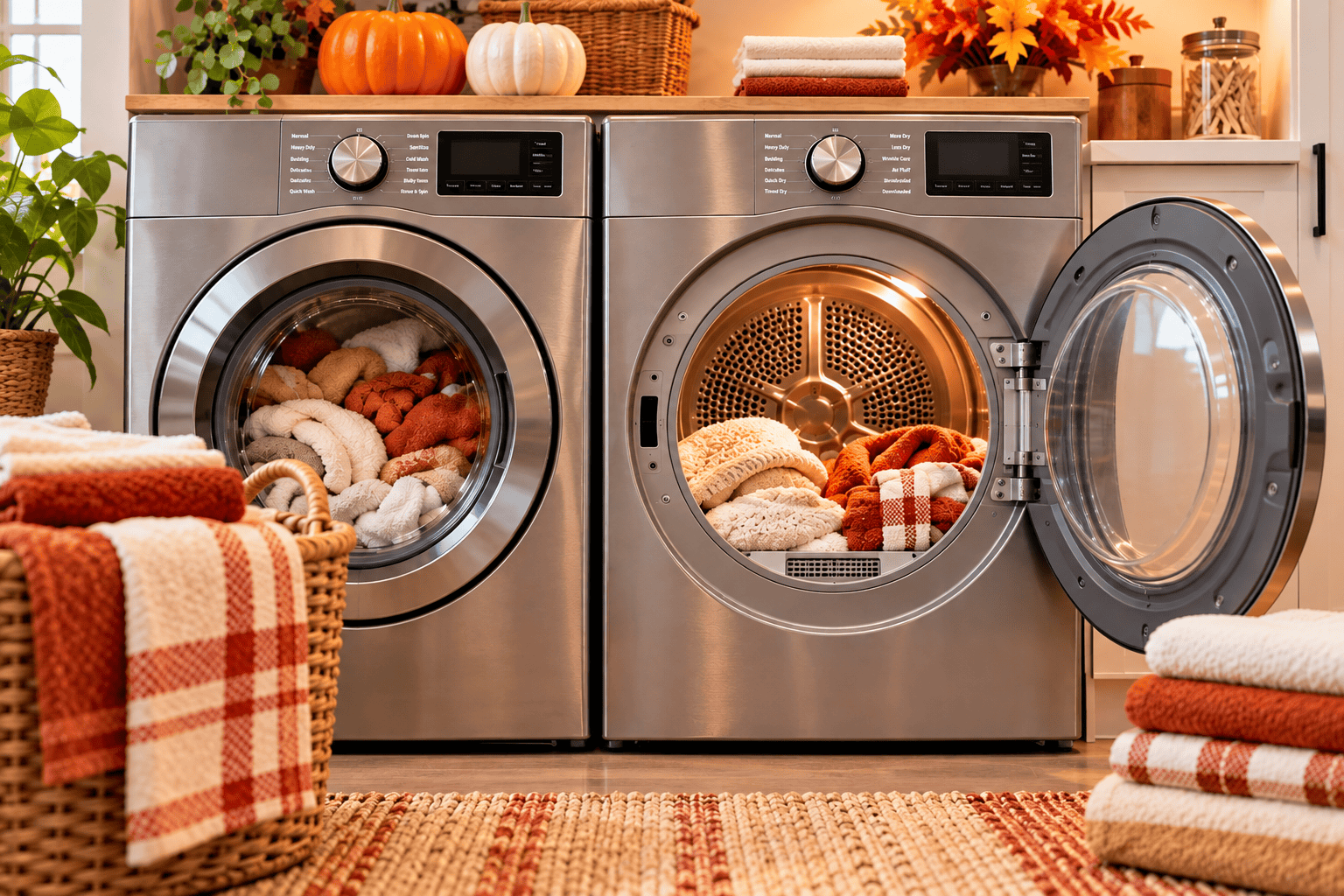
Thanksgiving appliance planning is not limited to the kitchen. Houseguests can create a rush of towels, bedding, tablecloths, napkins, kitchen towels, and everyday laundry. If your dryer is taking too long before Thanksgiving, one load can consume the time you expected to use for several.
Long drying times can result from overloading, incorrect settings, a dirty lint screen, restricted exhaust airflow, a heating problem, sensor trouble, or another mechanical issue. Appliance Cowboys’ article about a dryer not drying clothes provides a useful starting point, and its guide to signs of a clogged dryer vent covers one of the most important airflow-related causes.
Why Dryer Performance Matters Before Thanksgiving
A dryer that needs two or three cycles can become a scheduling problem before guests arrive. Heavy towels and bedding already take longer than lightweight clothes, so a small performance loss becomes much more noticeable.
Long drying time can also be a safety warning when it is caused by restricted exhaust airflow or overheating.
Do not simply add more time to every cycle without checking why performance changed.
1. Clean the Lint Screen Before Every Load
A lint screen should be cleaned as recommended by the manufacturer, commonly before or after each load.
Lint buildup restricts airflow and can lengthen drying time. If the screen appears coated even after visible lint is removed, consult the owner’s manual for approved cleaning procedures.
Fabric-softener residue can affect some screens. Never operate the dryer without the correct lint filter installed.
2. Do Not Overload the Drum
A packed dryer cannot tumble laundry effectively.
Towels and bedding are especially bulky. They need space to lift, fall, and allow heated air to move through the fabric.
Divide oversized loads rather than forcing everything into one cycle. If small normal loads dry correctly but large holiday-linen loads do not, loading may be a major part of the problem.
3. Check the Selected Cycle
Modern dryers may have automatic, timed, low-temperature, delicate, eco, and moisture-sensing cycles.
A low-heat or energy-saving setting can take longer than a cycle designed for heavy cotton items. Match the cycle to the fabric and manufacturer’s instructions.
Do not select maximum heat for items that cannot safely tolerate it simply to shorten drying time.
4. A Clogged Dryer Vent Can Greatly Increase Drying Time
The exhaust system carries hot, moist air outside.
When lint or debris restricts the vent, moisture remains in the drum longer and the dryer may run excessively. Appliance Cowboys’ guide to signs of a clogged dryer vent covers warning signs such as long cycles and abnormal heat.
Vent restriction is also a safety concern, so do not treat repeated long drying times as merely an inconvenience.
5. Check the Exterior Vent Hood
When the dryer is operating, the exterior termination should open and exhaust air as designed.
Do not block the vent with storage, landscaping, screens not approved for dryer exhaust, or other materials.
If airflow is weak, the duct may be restricted. Do not reach into a running exhaust system or disassemble inaccessible ductwork without the proper tools and training.
6. Watch for Excessive Heat
A dryer that becomes unusually hot while clothes remain damp may have an airflow problem.
Stop using the appliance if you smell burning, see smoke, or notice scorching. Do not keep restarting an overheating dryer to finish holiday laundry.
Appliance Cowboys’ dryer vent maintenance and safety guide explains why proper airflow matters for both performance and safety.
7. If the Dryer Has No Heat, the Problem Is Different
A drum that turns normally without producing appropriate heat can point toward heating elements, gas ignition components, thermal devices, controls, wiring, or power supply issues depending on the model.
Check only basic settings and household power conditions that are safe for a homeowner.
Gas-system and high-voltage electrical diagnosis should be left to qualified service professionals.
8. Moisture Sensors Can Affect Automatic Cycles
Many dryers use moisture sensors to determine when a load is dry.
Residue, sensor problems, load size, or fabric type can affect automatic cycle behavior. Clean user-accessible sensors only as instructed by the manufacturer.
If automatic cycles end too early while timed cycles behave differently, tell the technician. That comparison can help narrow the problem.
9. Separate Heavy and Lightweight Fabrics
Mixing thick bath towels with lightweight napkins or sheets can produce uneven drying.
Light items may finish quickly while dense fabrics remain damp. Sort loads by fabric weight when practical.
This is especially useful before Thanksgiving because guest bedding, bath towels, kitchen towels, and table linens often have very different drying requirements.
10. Inspect the Vent Hose Behind the Dryer
If safely accessible, look for a crushed, kinked, or disconnected exhaust duct.
Do not pull a heavy dryer into an unstable position or strain gas and electrical connections.
Flexible ducts should comply with appliance and local installation requirements. A dryer pushed too close to the wall can compress the exhaust path and reduce airflow.
11. Listen for Changes in Drum and Blower Sounds
A new squeak, scrape, thump, or blower noise can indicate mechanical wear or an obstruction.
Record intermittent noises and stop the appliance if the sound becomes severe or is accompanied by a burning odor.
Mechanical problems can worsen under the heavier laundry schedule that often comes with holiday guests.
12. Repeated Breaker Trips Need Professional Attention
An electric dryer uses substantial power. If its breaker repeatedly trips, do not keep resetting it.
The cause can involve the appliance, circuit, wiring, heating system, or another electrical fault. Gas dryers with ignition or gas-supply symptoms also require qualified diagnosis.
Electrical and gas safety take priority over finishing a load of towels.
Clean the Vent Before the Holiday Rush
If the dryer vent is due for cleaning, handle it before Thanksgiving week rather than after long drying times begin.
Appliance Cowboys’ fall dryer vent cleaning guide is seasonally relevant, and its dryer vent maintenance guidance can help homeowners recognize when professional cleaning is appropriate.
A clean exhaust path can improve drying performance when the appliance itself is otherwise operating correctly.
Check the Washer Too
Laundry performance can sometimes appear to be a dryer problem when the washer is leaving clothes unusually wet.
If towels come out of the washer much wetter than normal, the dryer must remove more water and cycles will take longer.
Watch for washer spin or drainage problems and compare the wetness of a familiar load. Appliance Cowboys’ guide to signs it is time to service your washing machine and dryer can help identify problems across both appliances.
Do not overload the washer in an attempt to finish guest laundry faster.
Test With a Normal Load
Before guests arrive, wash and dry an ordinary load you know well.
Note how long it takes, whether the laundry is evenly dry, how hot the dryer feels, and whether the exterior vent has normal airflow.
One abnormal load can be caused by fabric or loading. A repeated change from the dryer’s normal performance is more meaningful.
Plan Guest Laundry Before the Last Minute
Wash guest sheets, blankets, bath towels, and table linens over several days instead of creating a large laundry backlog immediately before Thanksgiving.
This approach makes it easier to notice a performance problem and leaves time for repair.
It also reduces the temptation to overload the dryer or run repeated cycles back to back when the appliance is already showing signs of overheating or poor airflow.
Preventive maintenance can also support appliance longevity. Appliance Cowboys’ guide to extending the lifespan of home appliances provides broader maintenance context.
When to Stop DIY Troubleshooting
Basic homeowner checks include the lint screen, cycle selection, load size, accessible vent hose, and exterior vent.
Stop when diagnosis requires opening electrical panels, testing live circuits, servicing gas components, replacing thermal devices, or disassembling the dryer.
Burning odors, smoke, scorching, repeated breaker trips, damaged cords, or gas odors require immediate attention.
Appliance Cowboys’ guide on when to skip DIY and call a professional is the appropriate boundary when basic maintenance does not restore normal performance.
Thanksgiving Dryer Checklist
✓ Clean the lint screen.
✓ Use the correct cycle.
✓ Avoid oversized loads.
✓ Separate heavy towels from lightweight fabrics.
✓ Check accessible exhaust ducting.
✓ Confirm the exterior vent is not blocked.
✓ Watch for excessive heat.
✓ Do not ignore burning odors.
✓ Listen for new mechanical noises.
✓ Test a normal load before guests arrive.
✓ Do not repeatedly reset tripped breakers.
✓ Schedule repair if drying time remains abnormal.
Dryer Repair in Houston Before Thanksgiving
A dryer taking too long before Thanksgiving can create unnecessary work when guest towels, bedding, table linens, and everyday clothes are competing for laundry time.
Appliance Cowboys services dryers and other major household appliances in the Houston area. Airflow restrictions, heating systems, sensors, controls, mechanical components, and electrical issues can all affect drying performance.
Test the dryer before the holiday laundry rush. If one familiar load suddenly takes twice as long as normal, investigate before the guest-room sheets and towels pile up. A dependable laundry setup gives you one less problem to manage while preparing the house for Thanksgiving.
Related appliance repair information: washer and dryer service signs.
Related appliance repair information: extend appliance lifespan.