freezer not freezing before Thanksgiving is an important holiday appliance warning sign for Houston homeowners. Learn practical checks, safety precautions, and when to call for professional repair.
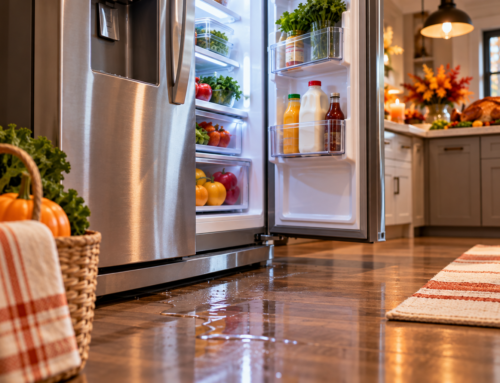
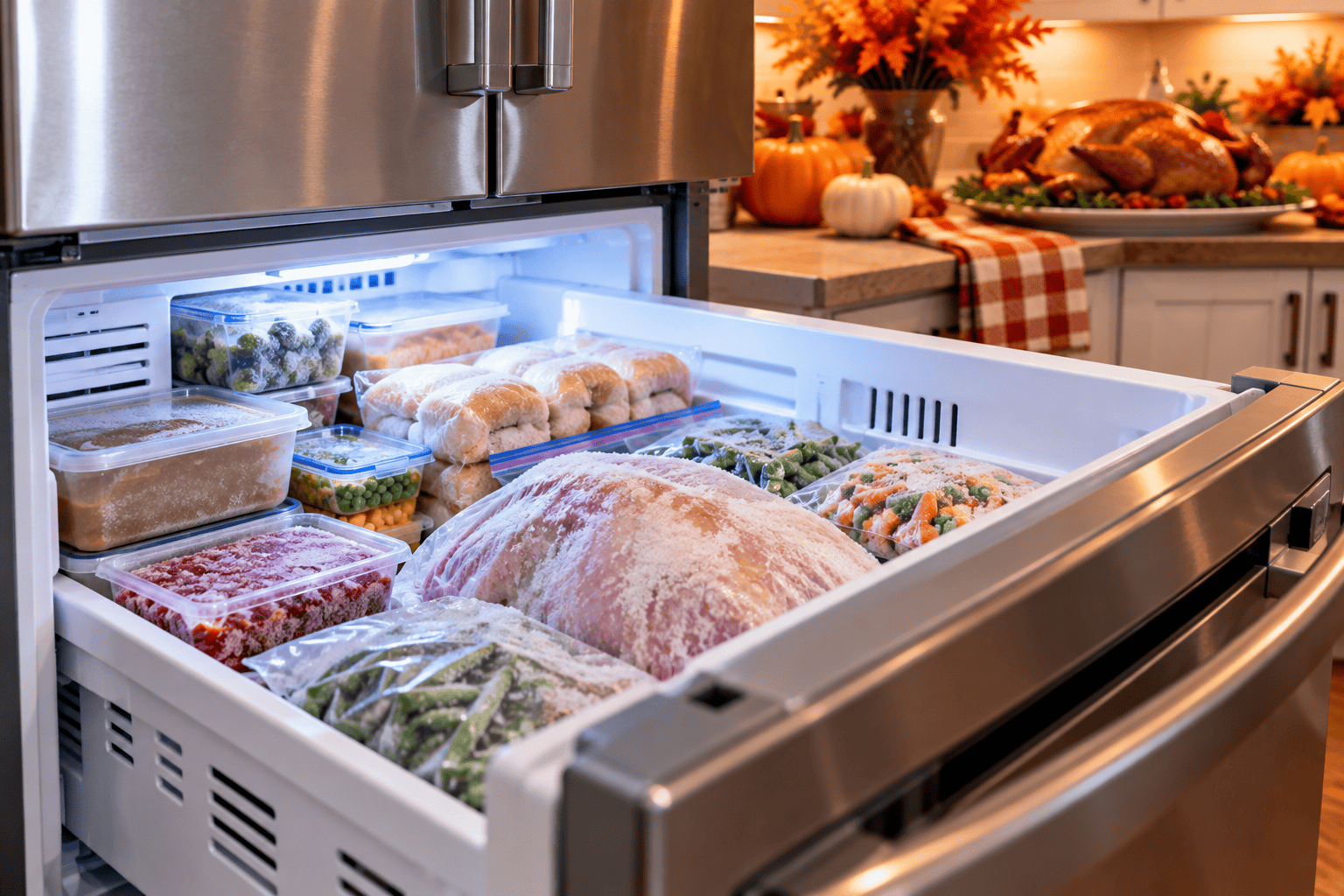
Thanksgiving often changes how a freezer is used. Frozen desserts, ice, make-ahead dishes, meat, bread, vegetables, and leftovers may all compete for space. If your freezer is not freezing before Thanksgiving, packages feel softer than normal, or ice cream is unusually soft, investigate before adding more holiday food.
Appliance Cowboys’ guide to common refrigerator repair problems provides useful background, and its Viking freezer repair tips cover additional freezer-specific symptoms. A freezer that is only marginally cold can struggle even more when the door is opened frequently and a large grocery load is added.
Why Freezer Performance Matters Before Thanksgiving
Holiday food can be expensive, and many dishes are prepared days in advance. A temperature problem can therefore create both a repair issue and a food-safety issue.
The appliance problem and the food decision should be handled separately. First protect food using current food-safety guidance and appropriate cold storage. Then diagnose why the freezer is not maintaining temperature.
Do not rely only on how cold the air feels when you open the door. Observe actual food condition and, when appropriate, use an appliance thermometer according to its instructions.
1. Verify the Temperature Setting
Start with the control setting. A dial can be bumped while loading groceries, and electronic controls may be changed accidentally.
Use the manufacturer’s recommended setting and allow the appliance time to stabilize after an adjustment.
Do not turn the control to its coldest setting as a substitute for diagnosing a mechanical problem. If the freezer cannot maintain temperature at its normal setting, there may be an airflow, defrost, fan, sensor, compressor, sealed-system, or door-seal issue.
2. Make Sure the Door Closes Completely
A package, drawer, ice bin, or shelf can prevent the freezer door from closing.
Inspect the perimeter and rearrange food so nothing contacts the door. Make sure drawers are fully seated.
A door left slightly open can introduce warm, humid air, create frost, and make the appliance run excessively. Thanksgiving grocery loads make this especially common because people try to fit more food than usual into available space.
3. Inspect the Door Gasket
The gasket should make consistent contact around the door.
Look for torn, hardened, dirty, or loose sections. Clean it according to manufacturer instructions. A damaged seal allows warm air to enter and can contribute to frost and temperature problems.
Do not use adhesives or improvised materials to patch a gasket unless the manufacturer specifically approves that repair.
4. Avoid Blocking Air Vents
Many refrigerator-freezer systems depend on internal air circulation.
Food packed tightly against vents can reduce airflow and create warm areas. Leave the clearances recommended for your model.
A freezer can look full and organized while still having poor circulation. Before Thanksgiving shopping, organize existing food so vents remain open after new items are loaded.
5. Listen for the Evaporator Fan
Depending on the design, a fan circulates cold air through the freezer or between compartments.
If the fan becomes noisy, scrapes, or does not operate when expected, cooling may become uneven. Do not remove internal covers or reach into fan assemblies while the appliance is energized.
A technician can determine whether the problem involves the fan motor, ice obstruction, wiring, control, or another component.
6. Look for Heavy Frost
A light frost pattern may be normal in certain locations, but heavy frost or a sheet of ice on an interior panel can indicate a defrost or air-infiltration problem.
Do not chip ice with knives, screwdrivers, or other sharp tools. Refrigerant lines and interior surfaces can be damaged.
Photograph unusual frost before it melts. That information can help with diagnosis. Sub-Zero owners can also review Appliance Cowboys’ guide to common Sub-Zero refrigerator failures for brand-specific context.
7. Check Whether the Refrigerator Section Is Also Warm
If both the freezer and fresh-food section are warming, the problem may affect the entire refrigeration system.
If the freezer is cold but the refrigerator is warm, airflow between compartments may be involved on some designs. Appliance Cowboys’ refrigerator-not-cooling troubleshooting guide provides additional symptoms to watch.
Protect perishable food rather than repeatedly opening the doors to see whether the appliance has recovered.
8. Clean Accessible Condenser Areas as Directed
Some models have condenser coils or ventilation areas that require periodic cleaning; others are designed differently.
Follow the owner’s manual. Disconnect power when required by the manufacturer before cleaning.
Dust, pet hair, and debris can reduce heat transfer on systems with accessible condenser surfaces. Do not remove sealed-system components or panels beyond routine maintenance instructions.
Appliance Cowboys also discusses how refrigerators can struggle under changing operating conditions in its seasonal refrigerator performance guide.
9. Check for Unusual Compressor or Fan Sounds
A freezer may run more often when heavily loaded, but a major change in sound can be informative.
Clicking, repeated starting attempts, loud buzzing, grinding, or prolonged silence when the appliance should be cooling can point toward a problem.
Record the sound on your phone if it is intermittent. Do not open electrical compartments or test capacitors yourself.
10. Consider Recent Power Problems
A power outage, voltage event, tripped breaker, or unplugged cord can interrupt cooling.
Confirm the appliance has power and check household electrical protection if safe to do so. Do not repeatedly reset a breaker that trips again.
If cooling trouble began after an outage, note when power was lost and how long the appliance was without power. That timeline can help with both food-safety decisions and repair diagnosis.
11. Do Not Put Large Amounts of Hot Food in the Freezer
Hot food adds a significant heat load and can temporarily raise cabinet temperature.
Cool and store food according to safe food-handling guidance rather than placing very large hot containers directly into an already full freezer.
Divide foods into appropriate containers when suitable. Thanksgiving meal preparation is easier when freezer space and cooling capacity are planned before cooking begins.
12. Give Newly Loaded Food Time to Freeze
Adding many unfrozen items at once can cause a temporary temperature increase.
That does not automatically mean the freezer is broken. The important question is whether it returns to and maintains the proper temperature within a reasonable period for the appliance and load.
If temperatures continue rising or previously frozen foods begin thawing, treat it as a real cooling problem.
Protect Food if the Freezer Is Warming
Minimize door openings. Move food to another properly operating freezer or suitable cold storage when necessary.
Follow current food-safety guidance for perishable foods that have thawed or warmed. Do not rely on smell or appearance alone to determine whether food is safe.
The appliance repair decision comes after protecting people and food.
Do Not Overpack the Freezer for Thanksgiving
A completely packed cabinet can restrict airflow and make it difficult to see whether the door closes correctly.
Organize older food before shopping. Remove items that are no longer needed, group similar foods, and keep ventilation areas clear.
Do not stack packages against fans, sensors, or vents.
A little planning can improve access and reduce the amount of time the door stays open while preparing the meal.
Check the Ice Maker Too
If the freezer supplies an automatic ice maker, poor freezer temperature can affect ice production.
Soft cubes, clumped ice, or reduced production may accompany a broader cooling problem.
Do not assume the ice maker itself is the only problem when other frozen foods are also soft.
If the ice maker has a separate fault, document that symptom for the technician.
Test the Freezer Before Thanksgiving Shopping
Several days before buying the turkey and frozen ingredients, verify that the freezer is maintaining normal temperature.
Check door closure, airflow, unusual frost, and sounds. If you use an appliance thermometer, place and read it according to appropriate guidance.
Appliance Cowboys’ Thanksgiving appliance tips can be incorporated into this pre-holiday check for the refrigerator, oven, dishwasher, disposal, and other appliances.
When to Stop DIY Troubleshooting
Basic homeowner steps include checking controls, door closure, visible gaskets, accessible vents, and manufacturer-approved cleaning.
Stop when diagnosis requires electrical testing, refrigerant work, sealed-system access, compressor work, internal fan replacement, or disassembly beyond routine maintenance.
If wiring is damaged, a breaker repeatedly trips, or the appliance shows signs of electrical overheating, disconnect it when safe and arrange professional service.
Appliance Cowboys’ guide on when to skip DIY and call a professional helps define that boundary.
Thanksgiving Freezer Checklist
✓ Verify the temperature before shopping.
✓ Confirm the door closes fully.
✓ Inspect the gasket.
✓ Keep air vents clear.
✓ Avoid overpacking.
✓ Look for abnormal frost.
✓ Listen for unusual fan or compressor sounds.
✓ Check for recent power interruptions.
✓ Do not load large quantities of hot food.
✓ Minimize door openings if temperature rises.
✓ Protect thawing food promptly.
✓ Schedule repair before Thanksgiving if cooling remains unreliable.
Freezer and Refrigerator Repair in Houston Before Thanksgiving
A freezer not freezing before Thanksgiving can put expensive groceries and make-ahead dishes at risk. Door seals, airflow, fans, defrost components, controls, sensors, electrical components, or the refrigeration system may all affect performance.
Appliance Cowboys services refrigerators and freezer-related cooling problems in the Houston area.
Test cooling before the holiday shopping rush. If the freezer is already struggling with its normal load, adding Thanksgiving food is unlikely to make the problem disappear. Addressing the warning signs early gives you time to protect food and arrange service before the holiday.
Related appliance repair information: refrigerator struggles in summer and winter.
Related appliance repair information: refrigerator not cooling.