A clogged dryer vent can make clothes take longer to dry, force the dryer to run hotter, increase energy use, and create unnecessary stress on the appliance. Restricted airflow can also become a safety concern when heat and lint build up inside the vent system.
This guide explains the most common signs of a clogged dryer vent, what homeowners can safely check, and when professional dryer vent cleaning may be appropriate.
Clothes Take Longer Than Normal to Dry
One of the most common warning signs is a drying cycle that takes significantly longer than it used to.
A dryer needs a steady flow of air to carry moisture away from clothing. When the exhaust path becomes restricted, humid air remains inside the drum and clothes stay wet longer.
If normal loads suddenly require two or more cycles, airflow restriction should be considered along with possible dryer component problems.
The Dryer or Laundry Room Feels Excessively Hot
Restricted airflow can trap heat inside the dryer and vent line. The exterior of the dryer may feel unusually hot, and the laundry room may become warmer than normal during operation.
A dryer should generate heat, but excessive heat can indicate that hot air is not leaving the appliance efficiently.
A Burning or Hot-Lint Smell
A noticeable burning, scorched, or hot-lint odor should never be ignored. Lint can accumulate in the lint screen housing, transition duct, or longer vent run.
If you smell burning, stop the dryer and disconnect power until the cause can be identified. Gas dryer users should also follow appropriate gas-safety procedures if they suspect a fuel-related issue.
Lint Collects Around the Exterior Vent Hood
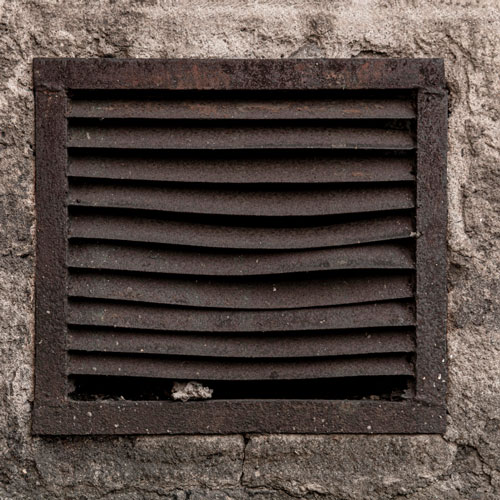
Check the exterior dryer vent while the dryer is running. The flap or louvers should generally open and allow a noticeable stream of exhaust air.
Warning signs include:
- Weak airflow outside
- The vent flap barely opening
- Lint accumulating around the hood
- Debris blocking the termination
- A screen or cover that traps lint
Exterior vent design and local conditions can affect airflow, so visible lint is a clue rather than a complete diagnosis.
The Lint Screen Becomes Unusually Full
A lint screen should collect lint, but a sudden change in how much lint appears can indicate changes in airflow or clothing conditions.
Always clean the lint screen before or after every load according to the dryer’s instructions. A clean screen does not guarantee that the vent line is clear because lint can accumulate farther downstream.
Clothes Feel Very Hot at the End of the Cycle
If clothing is unusually hot when the cycle ends, heat may be building inside the dryer because exhaust air is restricted.
This can also be caused by heating-system or thermostat problems, so the dryer and vent should be considered together rather than assuming the vent is the only possible cause.
The Dryer Shuts Off Before Clothes Are Dry
Some dryers use thermal protection that can interrupt operation when temperatures become excessive. If the dryer stops mid-cycle and later restarts after cooling, restricted airflow may be contributing to overheating.
A failing motor, thermostat, sensor, or electrical component can produce similar symptoms. Repeated shutdowns should be diagnosed rather than ignored.
There Is Moisture or Condensation Around the Dryer
When humid exhaust air cannot move through the vent efficiently, moisture may collect in the duct or around connections.
Long vent runs, crushed transition ducts, blocked exterior terminations, or poorly insulated vent sections can contribute to condensation.
Why Dryer Vents Become Clogged
Common causes include:
- Lint accumulation over time
- Crushed or kinked transition ducting
- Excessively long vent runs
- Multiple sharp elbows
- Bird nests or debris at the exterior termination
- Damaged or disconnected duct sections
- Improper vent materials
Lint buildup is common, but vent design problems can make recurring restrictions more likely.
Can You Clean a Dryer Vent Yourself?
Homeowners can safely clean the lint screen and inspect accessible vent areas. Some short, simple vent runs may also be serviceable with appropriate tools and careful procedures.
However, long runs, roof terminations, inaccessible ducts, severe blockages, disconnected sections, or vent systems inside walls may require professional equipment and inspection.
Avoid pushing lint deeper into the duct or damaging thin vent material.
Dryer Problem or Dryer Vent Problem?
Poor drying can come from either the appliance or the vent system.
A clogged vent restricts airflow. Dryer failures can involve the heating element, gas ignition system, thermostats, moisture sensors, blower wheel, motor, or electronic controls.
A useful diagnosis considers both sides. If airflow is weak outside but the dryer produces normal heat, the vent deserves close attention. If airflow is strong but the dryer produces little or no heat, the appliance itself may need repair.
When to Schedule Dryer Vent Cleaning
Professional dryer vent cleaning is worth considering when:
- Drying times have increased significantly
- Exterior airflow is weak
- The dryer becomes unusually hot
- Lint is visible around the outside vent
- The vent has not been cleaned in a long time
- The duct run is long or difficult to access
- You recently moved into a home and do not know the vent’s service history
If there is a burning smell, smoke, or repeated overheating, stop using the dryer until it can be inspected.
Dryer Vent Cleaning in Houston
Houston homes can have vent runs that travel through walls, ceilings, attics, or roofs before reaching the exterior. Longer or more complex routes can make lint accumulation and airflow problems harder to spot from the laundry room.
Appliance Cowboys provides dryer vent cleaning in Houston and can help determine whether poor drying is caused by an airflow restriction, the dryer itself, or both.
If the dryer still performs poorly after airflow is restored, review our Houston dryer repair service. Homeowners can also explore the appliance maintenance program.
Frequently Asked Questions
How do I know if my dryer vent is clogged?
Long drying times, excessive heat, weak exterior airflow, lint around the vent hood, and hot clothing are common warning signs.
Can a clogged dryer vent make a dryer stop working?
Restricted airflow can cause overheating and may trigger thermal protection. It can also place additional stress on dryer components.
How often should a dryer vent be cleaned?
There is no single schedule that fits every home. Usage, vent length, number of turns, vent design, and household conditions all affect how quickly lint accumulates.
Can a clogged vent increase my electric or gas bill?
Yes. If clothes require longer drying cycles, the dryer uses more energy to complete the same amount of laundry.
Does cleaning the lint screen clean the dryer vent?
No. The lint screen captures much of the lint, but some passes through and can accumulate in the vent system.
Do Not Ignore Weak Dryer Airflow
A clogged dryer vent often develops gradually, so increasing drying times may seem normal until the restriction becomes severe. If clothes take longer to dry, the dryer runs unusually hot, or exterior airflow is weak, have the vent system inspected. Appliance Cowboys can provide dryer vent cleaning in Houston and help distinguish vent restrictions from dryer repair issues.