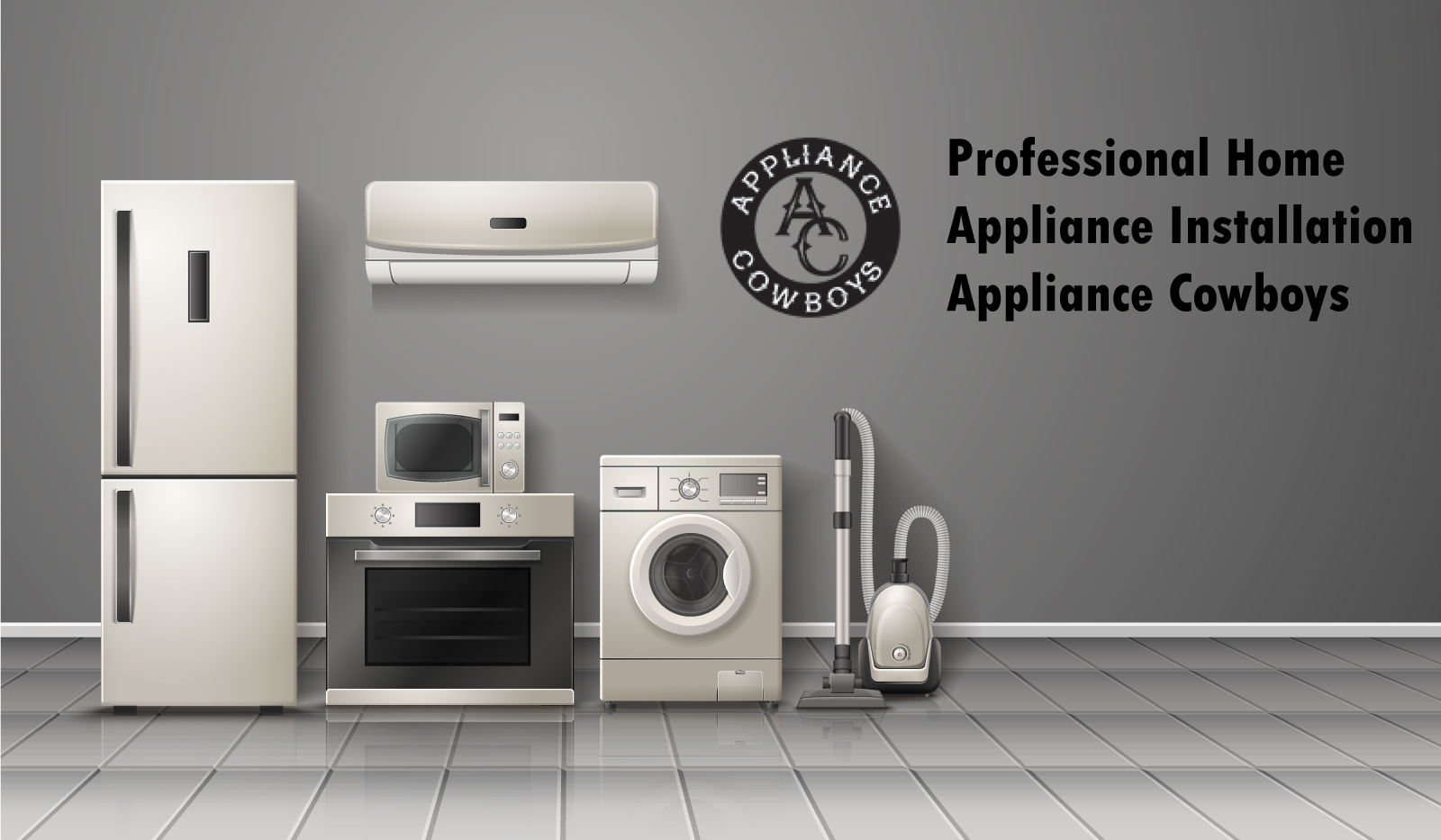
Buying a new appliance is only part of the project. The final cost can also include delivery, removal of the old unit, installation labor, new hoses or connectors, electrical or plumbing adjustments, cabinetry fit issues, and disposal fees.
Because appliance installations vary widely, the most useful way to plan a budget is to understand what affects the price instead of relying on a single flat number.
This guide explains the main cost factors for appliance installation in Houston and what homeowners should clarify before scheduling service.
The Type of Appliance Matters
Installation complexity changes significantly by appliance type.
A freestanding electric dryer or standard refrigerator may be relatively straightforward when the existing connections are correct and accessible. A wall oven, gas range, built-in refrigerator, dishwasher, cooktop, or stacked laundry system can require more time, specialized connections, precise leveling, or cabinet fit adjustments.
Common installation categories include:
- Refrigerators
- Dishwashers
- Washers
- Electric and gas dryers
- Ranges and ovens
- Cooktops
- Wall ovens
- Built-in and luxury appliances
The more integrated the appliance is with cabinetry, plumbing, gas, electrical service, or ventilation, the more variables can affect installation cost.
Replacement Installation vs. New Installation
Replacing an appliance in an existing opening is usually simpler than installing one where no appliance was previously located.
A replacement may already have:
- The correct electrical outlet
- Water supply and shutoff valves
- Drain connections
- Gas service
- Venting
- Proper cabinet dimensions
A new installation may require additional trades or modifications before the appliance can be connected safely.
Existing Connections Can Change the Cost
An installer may discover that the existing connection is damaged, outdated, inaccessible, incorrectly sized, or incompatible with the new appliance.
Examples include:
- Corroded water valves
- Old or damaged supply hoses
- Incorrect dryer venting
- Missing or unsuitable electrical receptacles
- Gas connectors that should be replaced
- Drain lines that do not meet the new appliance’s requirements
These conditions can increase labor or require additional parts.
Does the Old Appliance Need to Be Removed?
Removal and haul-away can be separate from installation. A heavy built-in unit, upstairs appliance, stacked laundry system, or appliance located in a tight space may require additional labor.
Ask whether the service includes:
- Disconnecting the existing appliance
- Moving it out of the home
- Haul-away or disposal
- Moving the new appliance into position
Knowing what is included avoids surprises on installation day.
Cabinet and Countertop Fit
Appliance dimensions are not always identical even when two models are sold in the same general size category.
Built-in refrigerators, dishwashers, wall ovens, ranges, and cooktops can present fit problems if the opening is too tight, too wide, too shallow, or not square.
Before purchasing a replacement appliance, measure the opening, doorways, hallways, stairs, and delivery path. Also compare manufacturer clearance requirements.
Cabinet modification, countertop cutting, or structural changes may require a separate contractor depending on the scope.
Plumbing Factors
Dishwashers, refrigerators with water dispensers, washing machines, and some specialty appliances require water connections.
Installation cost may increase if:
- The shutoff valve leaks
- The valve is difficult to access
- A supply line must be replaced
- Drain plumbing needs correction
- The water connection is not located where the appliance requires it
Plumbing problems should be corrected before the new appliance is put into regular use.
Electrical Requirements
Appliances can have different voltage, amperage, plug, and circuit requirements.
A new appliance should match the electrical service specified by its manufacturer. If a new circuit, receptacle, disconnect, or panel work is needed, a licensed electrician may be required.
An installer should not force an appliance into an incompatible electrical setup simply because the previous appliance appeared to work there.
Gas Appliance Installation
Gas ranges, ovens, cooktops, and dryers require additional care. Installation may involve checking the shutoff valve, connector, fittings, appliance configuration, and leak-free operation.
If gas service needs modification or repair, a properly qualified professional should handle that work according to applicable requirements.
Ventilation Can Add Complexity
Dryers, some range hoods, and other vented appliances depend on correct airflow.
A crushed dryer transition duct, long vent run, unsuitable vent material, or blocked exhaust path can affect both appliance performance and installation scope.
A new dryer should not simply be connected to a known airflow problem. The vent should be inspected and corrected if necessary.
Built-In and Luxury Appliances
Premium appliances often require more precise installation because of their size, weight, custom panels, water lines, anti-tip hardware, trim kits, or cabinetry integration.
Panel-ready refrigerators and dishwashers may require coordination with cabinetry. Large built-in refrigerators may also require careful leveling, anchoring, and clearance verification.
The installation quote should reflect the actual model and site conditions rather than treating every appliance as a standard freestanding unit.
What Should Be Included in an Installation Quote?
Before approving service, ask whether the quote includes:
- Basic installation labor
- Disconnecting the old appliance
- Moving and positioning the new appliance
- Standard connection parts
- Leveling and securing the appliance
- Functional testing
- Removal or haul-away
- Additional labor for stairs or difficult access
- Any required plumbing, electrical, gas, or vent modifications
A clear scope makes it easier to compare installation options accurately.
Why On-Site Conditions Matter
Two Houston homeowners can install the same appliance and have very different project costs because the homes, connections, access, and existing conditions differ.
Older homes may have legacy plumbing or electrical setups. Remodels may have nonstandard cabinet openings. Condos and townhomes can introduce elevator, parking, access, or building requirements.
That is why model information and site details are important when estimating installation work.
Appliance Installation in Houston
Appliance Cowboys provides appliance installation services in Houston for homeowners replacing or adding major household appliances.
A proper installation focuses on more than getting the appliance into the opening. Connections, leveling, drainage, airflow, clearances, stability, and operation should all be checked so the new unit can perform as intended.
Explore our Houston appliance repair services or schedule an appointment to discuss installation requirements for your appliance.
Frequently Asked Questions
How much does appliance installation cost in Houston?
The cost depends on the appliance type, existing connections, access, required parts, removal needs, and whether plumbing, electrical, gas, venting, or cabinetry work is necessary.
Is replacement installation cheaper than a brand-new installation?
It often can be because the necessary connections and opening may already exist. However, damaged or incompatible connections can still increase the scope.
Do appliance installers remove the old appliance?
Some services include removal or offer it as an add-on. Confirm haul-away before the appointment.
Do I need new hoses and connectors?
Manufacturers or installers may recommend or require new supply hoses, gas connectors, cords, or other connection parts. Reusing worn components can create unnecessary risk.
Can an installer modify electrical or plumbing connections?
That depends on the work required and applicable licensing or trade requirements. Significant electrical, plumbing, or gas modifications may require a qualified specialist.
Should I measure before buying an appliance?
Yes. Measure the appliance opening, delivery path, doors, stairs, and required clearances before purchase.
Plan the Installation Before Delivery Day
The best way to avoid installation-day surprises is to confirm the appliance dimensions, access path, existing connections, required parts, and removal plan in advance. Appliance Cowboys can help Houston homeowners evaluate installation needs and complete appliance installations with attention to fit, connections, leveling, and proper operation.