Common Sub-Zero Refrigerator Warning signs
A Warm Sub-Zero Refrigerator:
Experiencing a warm Sub-Zero refrigerator? This could be one of the common Sub-Zero refrigerator warning signs indicating a possible cooling issue. When your fridge fails to maintain cold temperatures, it not only becomes an inconvenience, but it also puts your food at risk of spoilage and wastage. The following can cause your Sub Zero refrigerator not to cool:
- Faulty or broken evaporator Fan
- A Broken Thermostat
- Malfunctioning compressor start relay
It is crucial to address this problem promptly to avoid the potential loss of your fresh groceries and to ensure the longevity and functionality of your Sub-Zero refrigerator. Don’t let a small issue escalate into a larger and costlier problem; reach out to a professional technician or refer to the manufacturer’s troubleshooting guide for assistance. Taking immediate action will not only save your food but also help you avoid unnecessary financial and logistical troubles down the line.
Unusual Noises:
Are there strange or loud noises emanating from your Sub-Zero refrigerator? These sounds can indicate mechanical problems and are certainly common Sub-Zero refrigerator warning signs that you should not ignore! If you hear unusual noises coming from your appliance, it could be an indication of a failing compressor or evaporator fan motor. These components play crucial roles in the proper functioning of your appliance, and addressing any issues promptly can help prevent further damage and costly repairs in the long run. Don’t hesitate to seek professional assistance if you encounter these warning signs!
Water Leakage:
If you notice puddles or moisture around your Sub-Zero refrigerator, it could be a clear signal of a possible faulty water supply or drain system. Water leakage is a common warning sign with Sub-Zero refrigerators and should be addressed promptly to prevent any damage to your kitchen floor. Additionally, it’s important to address this issue to avoid potential electrical hazards that may arise. Don’t delay in taking action to keep your kitchen safe and your refrigerator in optimal condition.
Frost or Ice Build-Up in Your Freezer Section:
Excessive frost accumulation inside your Sub-Zero refrigerator freezer section isn’t normal and can be a cause for concern. This could potentially indicate a problem with the defrost system, which, if left unchecked, could result in more severe issues, such as impaired cooling performance and potential food spoilage. Ice buildup and frost in a Sub-Zero freezer section can be caused by several factors, and addressing the root cause is essential to maintain the optimal performance of the appliance. Here are some common reasons for ice buildup and frost in a Sub-Zero freezer:
- Freezer door left ajar
- Freezer drain tube frozen
- Torn gasket
- Defrost element failure
- Ice maker not filling properly
It is important to address this and take necessary action to ensure the optimal functioning and longevity of your appliance.
Freezer Not Freezing:
Discovering that your Sub-Zero freezer isn’t freezing your food as it should be is undeniably frustrating. When this occurs, it’s crucial to address the issue promptly to avoid food spoilage and potential damage to the appliance. Several factors can contribute to a malfunctioning freezer, so let’s explore some common causes and potential solutions:
- Fan Not Working Properly:
The freezer relies on a fan to circulate cold air throughout the compartment, ensuring uniform cooling. If the fan is malfunctioning or blocked by debris, the freezer’s cooling ability can be compromised. Check for any obstructions around the fan and ensure it’s functioning correctly.
- Temperature Sensor or Thermostat Malfunction:
The freezer’s temperature is regulated by a sensor or thermostat that communicates with the cooling system. If either of these components is faulty, the freezer may not reach the desired temperature. Consider checking and calibrating the thermostat or temperature sensor as needed.
- Sealed System Problem:
The sealed system, comprising the compressor, condenser, evaporator, and refrigerant, is crucial for cooling. Any issues with the sealed system, such as refrigerant leaks or compressor failure, can lead to improper cooling in the freezer. In such cases, it’s best to seek assistance from authorized Sub-Zero service technicians who are skilled in diagnosing and repairing sealed system problems.
- Door Seal or Gasket Issue:
A faulty door seal or gasket can result in cool air escaping from the freezer, leading to temperature fluctuations and insufficient freezing. Check the integrity of the door seal and ensure it forms a tight seal when the door is closed. If damaged or worn, consider replacing the door seal to restore proper cooling.
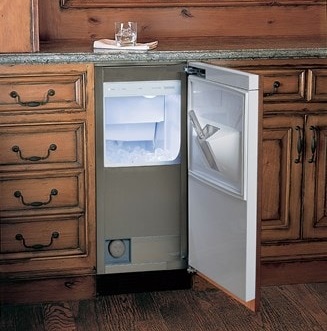
No Ice or Slow Ice Production for The Internal ice maker:
Ice Maker Switch is Turned Off:
One of the simplest yet often overlooked reasons for an ice maker not producing ice is a switched-off ice maker. It might seem obvious, but you’d be surprised how frequently we encounter this issue during our appointments. So, before assuming a more complex problem, always double-check that the ice maker switch is set to the ON position.
Water-Related Issues Causing Your Sub Zero Ice Maker Problems:
- Partially or Fully Clogged or Dirty Water Filter:
A partially or fully clogged water filter can hinder water flow to the ice maker, reducing ice production or causing it to stop working altogether. Mineral deposits and impurities can accumulate in the filter over time, blocking the mesh and preventing water from reaching the ice maker. Regularly changing the water filter is crucial to maintain the ice maker’s efficiency and overall refrigerator performance. As minerals and impurities accumulate in the filter over time, it can hinder water flow and reduce the amount of water reaching the ice maker. Hinderance of water flow or reduced water amount can result in slow ice production or even complete failure to make ice. Refer to your Sub-Zero refrigerator’s Use & Care manual for instructions on changing the water filter appropriately.
Pro Tip: Sub-Zero recommends replacing the water filter every 6-12 months, depending on usage. Use certified Sub Zero filters and stay away from fake filters.
- Frozen Water Supply Line:
A frozen water supply line can obstruct water flow to the ice maker, preventing it from receiving the water necessary for ice production. This issue often occurs in low-usage refrigerators or those located in colder environments. To prevent a frozen water supply line, ensure that the room temperature surrounding the refrigerator is adequately regulated. If the refrigerator is placed in an area prone to low temperatures, consider using a space heater or insulating the water supply line to maintain its warmth.
- Frozen Ice Maker Filer Tube:
The fill tube is a small The tube connecting the water supply line to the ice has an important role in ensuring proper water flow and ice production. maker’s water inlet. It is often made of plastic and is positioned at the top or side of the ice maker. The fill tube directs the water from the water supply line into the ice maker’s ice cube tray during the ice-making process. The fill tube can sometimes become frozen or clogged, preventing water from entering the ice cube tray. A clogged or frozen fill tube can lead to slow or no ice production. Cleaning or clearing any ice or debris from the fill tube is necessary to ensure proper water flow to the ice maker.
- Low Water Pressure or No Water:
Insufficient water pressure can hinder the ice maker’s ability to efficiently fill and freeze ice cubes. Low water pressure may be caused by issues with the water supply line or a partially closed water shut-off valve. Check the water supply line for kinks or clogs and ensure the water shut-off valve is fully open to allow proper water flow to the ice maker. If the water pressure remains low, consult a professional plumbing service to identify and address the underlying cause.Pro Tip: If you recently had some plumbing work, this might be the culprit to low water pressure.
- Faulty Water Inlet Valve:
The water inlet valve controls the water supply to the ice maker. If the valve malfunctions or fails to open correctly, the ice maker may not receive the water it needs to form ice. A malfunctioning water inlet valve can disrupt the ice maker’s performance and lead to no ice production. If you suspect an issue with the water inlet valve, consult a professional appliance repair service to inspect and replace the faulty component.
- Poor Water Quality:
Water with high mineral content or impurities can impact ice cube formation and slow ice production. Poor water quality can lead to cloudy or malformed ice cubes. Enhance the quality of your water by contemplating the installation of a water softener or filtration system. This beneficial addition will bring about notable improvements in terms of purity and overall water excellence. These devices can help remove mineral deposits and impurities, ensuring a clean and reliable water supply for the ice maker.
Dirty or Blocked Condenser Coils:
Dust and debris accumulation on the condenser coils can impair the ice maker’s cooling efficiency, affecting ice production. Check if your condenser was cleaned in the last three to six months. Regularly clean the condenser coils to ensure proper cooling and ice-making performance.
Pro Tip: Ensure your condenser is clean every six months, by one year at the latest.
High Room Temperature:
Extremely high ambient temperatures can strain the ice maker’s cooling system and lead to a lack of ice production. The ice maker’s ability to produce ice relies on its cooling mechanism, which operates most efficiently within a specific temperature range. When the surrounding room temperature rises excessively, the ice maker’s cooling system may struggle to maintain the required low temperatures for ice production.
During hot weather or poorly ventilated areas, the ice maker’s compressor and condenser must work harder to keep the internal temperature low. This increased workload can cause the cooling system to become overburdened, leading to longer ice-making cycles or even temporary shutdowns to prevent overheating, and will increase your monthly electric bill.
Moreover, high room temperatures can affect the ice cube tray’s ice freezing rate. If the freezer’s internal temperature rises too much, it can slow down the freezing process, resulting in smaller, cloudy, or malformed ice cubes.
Insufficient Clearances:
Inadequate clearances around the ice maker can restrict proper airflow and affect cooling performance. Ensure sufficient space around the ice maker to facilitate proper ventilation and cooling. By addressing these potential causes, you can troubleshoot and resolve issues related to no ice or inadequate ice making in your Sub-Zero ice maker, ensuring it functions optimally and provides a consistent supply of ice.
The Ice Cube Tray is Jammed:
Is your ice maker not producing enough ice as it should? There could be a simple fix to this common issue. One potential cause is a jammed ice cube tray, which can occur when ice cubes stick together, or an obstruction blocks the tray. Regular maintenance and cleaning can prevent future problems and ensure your ice maker consistently delivers the necessary ice. If the problem persists or you encounter other ice maker-related issues, consider seeking assistance from a professional appliance repair service to diagnose and resolve the problem effectively.
The Ice Bucket is Not Aligned:
A misaligned ice bucket can lead to issues with the ice maker in your Sub-Zero refrigerator. If you have recently removed the ice bucket for cleaning or for any other reason, it is crucial to ensure that it is properly replaced and aligned with the electronic switches at the back of the fridge. The ice maker relies on this alignment to function correctly, as it only switches on when there is proper contact between the bucket and the electronic switches.
When the ice bucket is not aligned correctly, the electronic switches may not register the presence of the bucket, causing the ice maker to remain inactive. As a result, the ice maker will not initiate the ice-making cycle, leading to no ice production. This misalignment issue can also trigger error codes or error indicators on the control panel.
Check Ice The Ice Level Arm:
When the freezer is closed, you’ll notice the white, wide, and flat arm positioned above the ice bucket (remember, the trays can be easily removed). To disable the freezer, consult the Use and Care guide to determine the steps needed when the raised arm is encountered. Then, delicately lower the arm to its original position. This ensures optimal functionality while maintaining the intended purpose of the arm. If you encounter resistance and it refuses to move, avoid applying excessive force as it could result in damage. In such situations, it is recommended to restart the unit. If the arm has become detached, it may require reinstallation or, in case of damage, replacement. Reach out to us if needed as we offer replacement parts and can assist with repairs as well.
Excessive Frost or Ice Buildup:
If there is excessive frost or ice buildup in the freezer, it can interfere with the ice maker’s operation. The ice maker relies on a clear, unobstructed pathway to produce and harvest ice cubes. When frost or ice accumulates excessively, it can hinder the ice maker’s components, disrupt the ice ejection process, and even prevent the water supply from reaching the ice cube tray.
Electrical Problems:
Electrical issues, such as wiring problems or control board malfunctions, can disrupt the ice maker’s functioning. The ice maker’s operation relies on a precise electrical system that controls various functions, including the water supply, ice ejection, and ice-making cycle. Electrical problems can lead to issues, from intermittent ice production to complete ice maker failure.
One standard electrical problem is wiring issues within the ice maker’s components. Over time, the wires may become damaged, frayed, or disconnected due to wear and tear or manufacturing defects. These problems can disrupt the flow of electricity and prevent critical parts from receiving the necessary power to function correctly.
Faulty Ice Maker Components:
Malfunctions in critical components such as the motor, solenoid valve, or ice maker module can cause the ice maker to stop working. The ice maker relies on the seamless interaction of various components to initiate and complete the ice-making process. When any of these crucial parts experience malfunctions or breakdowns, ice production can completely halt.
The motor is the powerhouse of the ice maker, responsible for driving the ice ejection process. If the motor becomes faulty or fails to receive the necessary power, it won’t be able to rotate the ejector arm, leading to a jammed ice cube tray and no ice release.
Overloading the Ice Maker or Ice Bin is Full:
Overfilling the ice maker with too much ice or placing items too close can hinder proper ice production. The ice maker’s capacity is designed to produce a certain amount of ice based on its size and specifications. When you overload the ice maker with more ice than it can handle, the excess ice can obstruct the ice-making process and prevent the ice cubes from forming correctly.
Additionally, placing items too close to the ice maker can impede proper airflow and ventilation. Adequate airflow is essential for optimally cooling the ice maker’s cooling system. When objects block the ice maker’s vents or restrict airflow, the ice maker may struggle to maintain the temperature for ice production.
Delayed Ice Harvest Cycle:
A malfunctioning ice harvest cycle can prevent the ice maker from releasing ice, resulting in no ice production. The ice harvest cycle is a critical phase in the ice-making process, during which the ice maker releases the ice cubes from the ice cube tray. If this cycle experiences a delay or fails to initiate, it can disrupt the ice-making process and leave you without a steady supply of ice.
Several factors can contribute to a delayed ice harvest cycle. One common issue is a faulty motor or gear that drives the ice ejection process. Over time, these components may wear out or become misaligned, causing the ice maker’s harvesting arm to get stuck, preventing it from ejecting the ice cubes.
Faulty or Broken Thermostat:
A faulty or broken thermostat may not register the correct temperature, causing the ice maker to malfunction and not make ice. The thermostat plays a crucial role in maintaining the optimal temperature in the freezer and determining when the ice maker should start producing ice. Its accurate regulation ensures efficient performance and timely ice production. If the thermostat fails to sense the freezer’s temperature accurately, it can lead to inconsistent cooling cycles and disrupt the ice-making process.
When the thermostat is faulty, it may result in two possible scenarios. Firstly, the thermostat might inaccurately read a higher temperature than the actual freezer temperature, causing the ice maker to believe that it is unnecessary to produce ice. As a result, the ice maker remains inactive, leading to a lack of ice production.
On the other hand, a malfunctioning thermostat may erroneously read a lower temperature than the actual freezer temperature. In this case, the ice maker might continuously attempt to produce ice even when the freezer is too cold, leading to an overproduction of ice or ice cubes freezing together in the ice cube tray.
Aging Ice Maker:
Over time, the ice maker’s components may deteriorate, impacting its performance and producing no ice. As your Sub-Zero refrigerator’s ice maker ages, the wear and tear can have a detrimental impact on vital components like the motor, gears, and seals. Over time, these critical parts may begin to experience diminished performance and efficiency. This gradual degradation can lead to reduced ice production, slow ice formation, or even complete failure of the ice maker.
One common problem with an aging ice maker is a worn-out motor. The motor is responsible for driving the ice ejection process, and as it ages, it may struggle to deliver the necessary power to eject ice cubes properly. A faulty motor can lead to jammed ice cube trays or incomplete ice harvesting.
A Defective Door Switch:
A faulty door switch can be a common culprit behind ice maker issues in your Sub-Zero refrigerator. The door switch is a critical component that detects when the refrigerator door is opened or closed. When the refrigerator door is closed, the door switch should signal the ice maker to turn off its ice-making function. However, if the door switch malfunctions, it may fail to detect the door closure, leading to problems with the ice maker.
One of the primary issues caused by a faulty door switch is continuous ice production, even when the refrigerator door is closed. This can result in overfilling the ice bucket, potential ice spillage, creating many issues mentioned above, and an unnecessary waste of energy.
Excessive Energy Consumption:
If you’ve noticed a sudden spike in your energy bills, it could be an alarming sign of an inefficient Sub-Zero refrigerator. These are the usual suspects that will cause high energy consumption for your Sub Zero frigde: Dirty condensor coils, the door seal, and the evaporator fan. If you have any issues with the affore mentioned can put a strain and cause major electricity consumpitons. Excessive energy consumption is a warning sign associated with Sub-Zero refrigerators, merits immediate attention and prompts the need for a thorough inspection of your appliance. Taking the time to address this issue now can save you from potential future inconveniences and expenses. Don’t delay, ensure the optimal performance and efficiency of your refrigerator today!
Water Leakage:
Discovering puddles or unwelcome moisture around your esteemed Sub-Zero refrigerator can be alarming, signaling a potential faulty water supply or drain system. As a common warning sign among Sub-Zero refrigerators, water leakage demands immediate attention to safeguard your kitchen floor from damage and to avert any potential electrical hazards that may arise. Please refrain from taking action on this matter could jeopardize both the safety of your kitchen and the optimal performance of your cherished refrigerator.
Understanding the Intricacies of Water Leakage:
Before we delve into practical solutions, we must comprehend the complexities of water leakage in Sub-Zero refrigerators. Often, the culprit behind this issue lies in the water supply line or the drain system. A damaged water supply line, such as cracks or loose connections, can lead to unwanted water seepage. Similarly, clogs or blockages in the drain system can cause water to accumulate around the refrigerator.
Door Seal Problem:
Is your Sub-Zero refrigerator not performing up to par? Are you experiencing temperature fluctuations and worrying about skyrocketing energy bills? One culprit behind these problems could be a compromised door seal. Don’t fret; we have you covered! Let’s delve into the importance of your refrigerator’s door seal and explore valuable tips to maintain its pristine condition for superior performance.
Unresponsive Control Panel:
Picture this: you adjust the settings on your Sub-Zero refrigerator’s control panel, only to find it completely unresponsive. Frustration sets in as you try pressing buttons to no avail. If you’re facing this all-too-familiar scenario, don’t worry, you’re not alone! Various factors, such as software glitches or underlying electrical issues, can cause an unresponsive control panel on your Sub-Zero refrigerator. However, please do not fret; we have the ultimate guide to help you diagnose and address this common warning sign, ensuring a seamlessly functioning kitchen.
Strange Odors Inside The Refrigerator:
Has a strange and unwelcome smell invaded the sanctuary of your Sub-Zero refrigerator? Don’t fret; this unexpected olfactory assault may be a warning sign of various underlying issues that require your attention. This guide will unravel the secrets behind these foul odors and offer practical solutions to maintain a fresh, odor-free fridge that keeps your food at its best.
Error Codes Displayed On Control Panel:
As a proud owner of a Sub-Zero refrigerator, you must be aware of the advanced technology that keeps your food fresh and your kitchen running smoothly. However, your refrigerator’s display panel occasionally throws some mysterious error codes your way. Fret not! These error codes are not to be ignored; they are your refrigerator’s unique language, communicating vital information about its health and any potential issues that require your attention.
Understanding and addressing these error codes promptly is essential to ensure your Sub-Zero refrigerator continues to perform at its best. Let’s embark on a journey to decode these messages and explore how you can troubleshoot effectively.
Excessive Condensation Or Frost:
Are you alarmed by the presence of excessive condensation or frost inside your beloved Sub-Zero refrigerator? Don’t fret; you’re not alone. While these occurrences can be concerning, they often serve as precise indicators of potential seal or temperature control issues. But fear not, as we’ve prepared a comprehensive guide to help you tackle this common Sub-Zero refrigerator warning sign and restore your appliance to its optimal state.
Excessive Condensation and Frost:
Condensation or frost buildup inside your refrigerator can occur due to several factors. One of the primary culprits is a compromised door seal. When the door seal is damaged or not functioning correctly, warm, moist air from the surrounding environment seeps into the refrigerator, leading to condensation or frost formation. Additionally, improper temperature control settings can also contribute to this issue.
Frequent Food Spoilage:
There’s nothing more frustrating than discovering that your favorite perishables have spoiled way before their expiration date, leaving you with disappointment and wasted food. If you’ve been experiencing frequent food spoilage in your Sub-Zero refrigerator, it could be a telltale sign of temperature irregularities that require immediate attention. But fret not; we’re here to illuminate this issue and guide you toward the solution: Sub-Zero refrigerator repair.
Understanding the Culprit Behind Food Spoilage:
Before delving into the remedy, let’s understand why temperature irregularities lead to frequent food spoilage. Your Sub-Zero refrigerator relies on a precise and consistent temperature range to keep your edibles fresh and flavorful. Fluctuations in temperature can have a substantial impact on the shelf life of your food items. Maintaining consistent temperatures is crucial to preserve the quality and freshness of your food.
Potential Causes of Temperature Irregularities:
- Damaged Door Seals: The rubber door seals maintain a tight seal, ensuring cold air stays inside, and warm air remains out. Cracks, tears, or gaps in the door seals can lead to temperature leaks, causing your food to spoil prematurely.
- Malfunctioning Thermostat: A faulty thermostat may fail to regulate the internal temperature accurately, resulting in fluctuations that can accelerate food spoilage.
- Dirty Condenser Coils: Dust and debris can accumulate on the condenser coil over time, impeding heat dissipation and causing temperature imbalances within the refrigerator.
- Overcrowded Refrigerator: Storing excessive food in your refrigerator can obstruct proper airflow, leading to uneven cooling and potential food spoilage.
- Inadequate Refrigerator Maintenance: Regular maintenance is essential to keep your Sub-Zero refrigerator running optimally. Neglecting to clean or service the appliance can contribute to temperature irregularities.
Ice Or Water Dispenser Malfunctions:
Your Sub-Zero refrigerator’s ice and water dispenser are undoubtedly convenient features that add a touch of luxury to your daily life. But what happens when these once-reliable dispensers start to act up? Don’t worry; we’re here to guide you through identifying and resolving potential issues, ensuring your dispenser functions flawlessly again!
Visible Signs Of Wear Or Damage:
Your Sub-Zero refrigerator, an essential workhorse in your kitchen, keeps your food fresh and your family nourished. But did you know that the exterior of your refrigerator can sometimes reveal hints about potential internal issues? Yes, it’s true! By paying attention to visible signs of wear and damage on the exterior, you can take proactive measures to ensure your appliance’s long-term functionality and appearance. Let’s explore these clues and discover how regular maintenance can keep your Sub-Zero refrigerator performing at its best while maintaining its aesthetic charm.
- Scratches, Dents, and Bumps – Beyond Cosmetic Concerns: The appearance of scratches, dents, or bumps on your refrigerator’s exterior might seem like mere cosmetic concerns, but they can indicate underlying problems. These blemishes could result from accidental impacts, indicating that your refrigerator is vulnerable to external forces. Such damage might compromise the internal components, affecting their cooling efficiency and overall performance.
- Cracked or Damaged Seals – Culprit of Temperature Fluctuations: The integrity of your refrigerator’s seals plays a vital role in maintaining optimal internal temperatures. Any visible cracks or damages in the seals may lead to temperature fluctuations and energy wastage. It’s crucial to address these issues promptly to prevent your fridge from overworking and to keep your energy bills in check.
- Rust – An Alarming Red Flag: Spotting rust on the exterior of your Sub-Zero refrigerator is not just a matter of aesthetics; it’s a cause for concern. Rust indicates exposure to moisture, which can lead to more severe issues inside the appliance, affecting its internal components and compromising its longevity.
- Fading or Discoloration – A Sign of Age: Over time, your refrigerator’s exterior might lose its original luster, with colors fading or discoloration becoming evident. While this can be a natural consequence of age and usage, it could also indicate prolonged exposure to heat or sunlight, impacting the appliance’s overall performance.
- Loose or Misaligned Handles – A Door Seal Challenge: If your refrigerator handles become loose or misaligned, it may affect the door seal’s effectiveness. A faulty door seal can lead to temperature imbalances, causing your refrigerator to work harder to maintain the desired internal climate.
Flickering Lights Inside the Refrigerator:
If you notice flickering lights inside your Sub-Zero refrigerator, it could indicate an electrical problem or a faulty lightbulb. However, there are a few other factors to consider. Identifying the root cause is vital for resolving the issue and ensuring proper functionality. Let’s explore some potential reasons behind the flickering lights. Light flickering inside your Sub-Zero refrigerator is a commonly observed warning sign in Sub-Zero refrigerators that requires prompt attention. Here are some potential reasons for the flickering lights:
- Loose Bulb: A loose light bulb can cause intermittent contact, leading to flickering when the bulb moves slightly. Check and tighten the bulb to ensure a secure connection.
- Faulty Bulb: If the bulb itself is defective or reaching the end of its lifespan, it may flicker before eventually burning out. Consider replacing the bulb with a new one.
- Electrical Connection Issues: Loose electrical connections or wiring problems within the light fixture can cause intermittent power interruptions, resulting in flickering lights.
- Faulty Light Switch: A malfunctioning light switch can cause an erratic power supply to the lights, leading to flickering. Test the switch and replace it if necessary.
- Control Board/Panel Malfunction: The refrigerator’s control board regulates various functions, including the lights. If the control board is defective or damaged, it may cause flickering lights.
- Voltage Fluctuations: Unstable electrical supply or voltage fluctuations can cause flickering lights in the refrigerator.
- Condensation or Moisture: Moisture or condensation buildup inside the light fixture can lead to electrical short circuits and flickering lights.
- Temperature Extremes: Extreme temperature conditions, such as very high or low temperatures, can impact the performance of electrical components, including the lights.
- Door Switch Issues: The door switch is responsible for turning off the lights when the refrigerator door is closed. A faulty door switch may malfunction, causing the lights to flicker when the door is open or closed.
- Light Control Module Failure: Some Sub-Zero refrigerators have a light control module that manages the lighting system. If this module malfunctions, it can cause flickering lights.
Ice Buildup on Evaporator Coils:
Ice buildup on the evaporator coils of your Sub-Zero refrigerator may indicate a defrost system malfunction. The following are the main culprits for this issue: Faulty door gasket, Air leaking into the unit, Air circulation issue, Sealed system issue, and Clogged drain tube. Any of the above can cause frost and ice buildup on the evaporator coil or backwall of your Sub Zero refrigerator.
Inconsistent Cooling Across Sections:
If you notice that certain areas of your Sub-Zero refrigerator are significantly colder or warmer than others, it may indicate a potential issue with the cooling system. This inconsistency in temperature can pose a problem, affecting the overall preservation of your food and potentially leading to unnecessary waste. Therefore, it is important to address this matter promptly to ensure optimal performance and proper food storage in your refrigerator.
Unusual Vibrations or Ratterling:
Excessive vibrations or shaking experienced during the operation of your Sub-Zero refrigerator could potentially indicate an issue with the following.
- Faulty compressor
- The condensor fan motor not working properly or broken
- The drain pan is dislodged
These vital components play a critical role in ensuring the proper functioning of your refrigerator, maintaining optimal cooling and food preservation. If left unattended, these symptoms could lead to further complications and potential damage to your appliance. It is highly advised to address this common warning sign promptly to ensure the continued reliable performance of your Sub-Zero refrigerator.
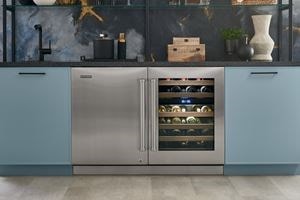
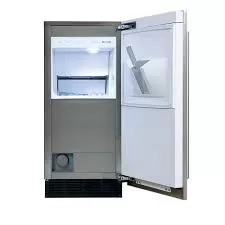
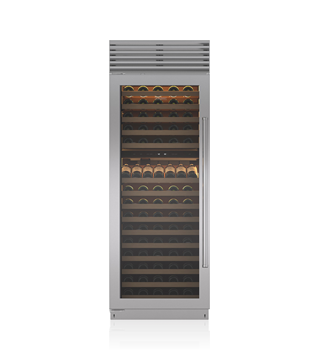
Please note that these warning signs can vary depending on the specific model and age of the Sub-Zero refrigerator. Some of these commong warnings will overlap with the Sub Zero freezers, ice makers, wine cooler and the under the counter refrigeration units. If you notice any of these warning signs, it’s essential to address the issues promptly to prevent further damage and ensure the optimal performance of your Sub-Zero appliance. If in doubt or unable to troubleshoot on your own, it’s best to seek the assistance of a professional Sub-Zero appliance repair service like Appliance Cowboy. Ice buildup and frost in a Sub-Zero freezer can be caused by several factors, and addressing the root cause is essential to maintain the optimal performance of the appliance. Here are some common reasons for ice buildup and frost in a Sub-Zero freezer: